Montessori ClassroomMontessori Classroom

The Montessori Classroom

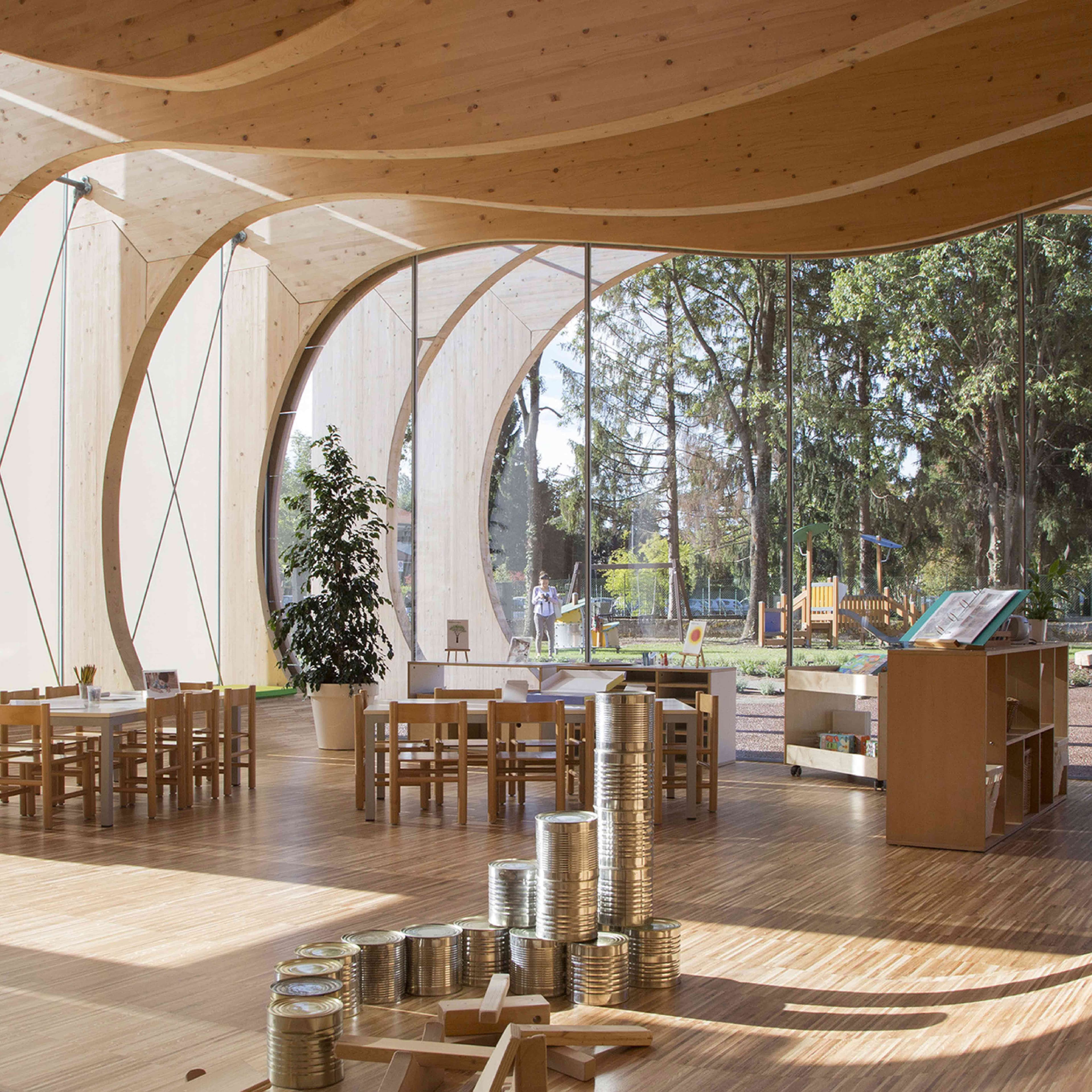
A Montessori classroom provides order, aesthetics, and enough space to move freely with carefully selected materials, enabling children to learn, explore, and grow independently.

The Design of a Montessori Classroom

A Montessori classroom is not a traditional classroom with rows of desks and a blackboard at the front. Instead, it is a carefully prepared environment where children can learn, move, explore, and grow. Everything in the classroom is designed to nurture the natural curiosity of children.

A Calm and Inviting Atmosphere
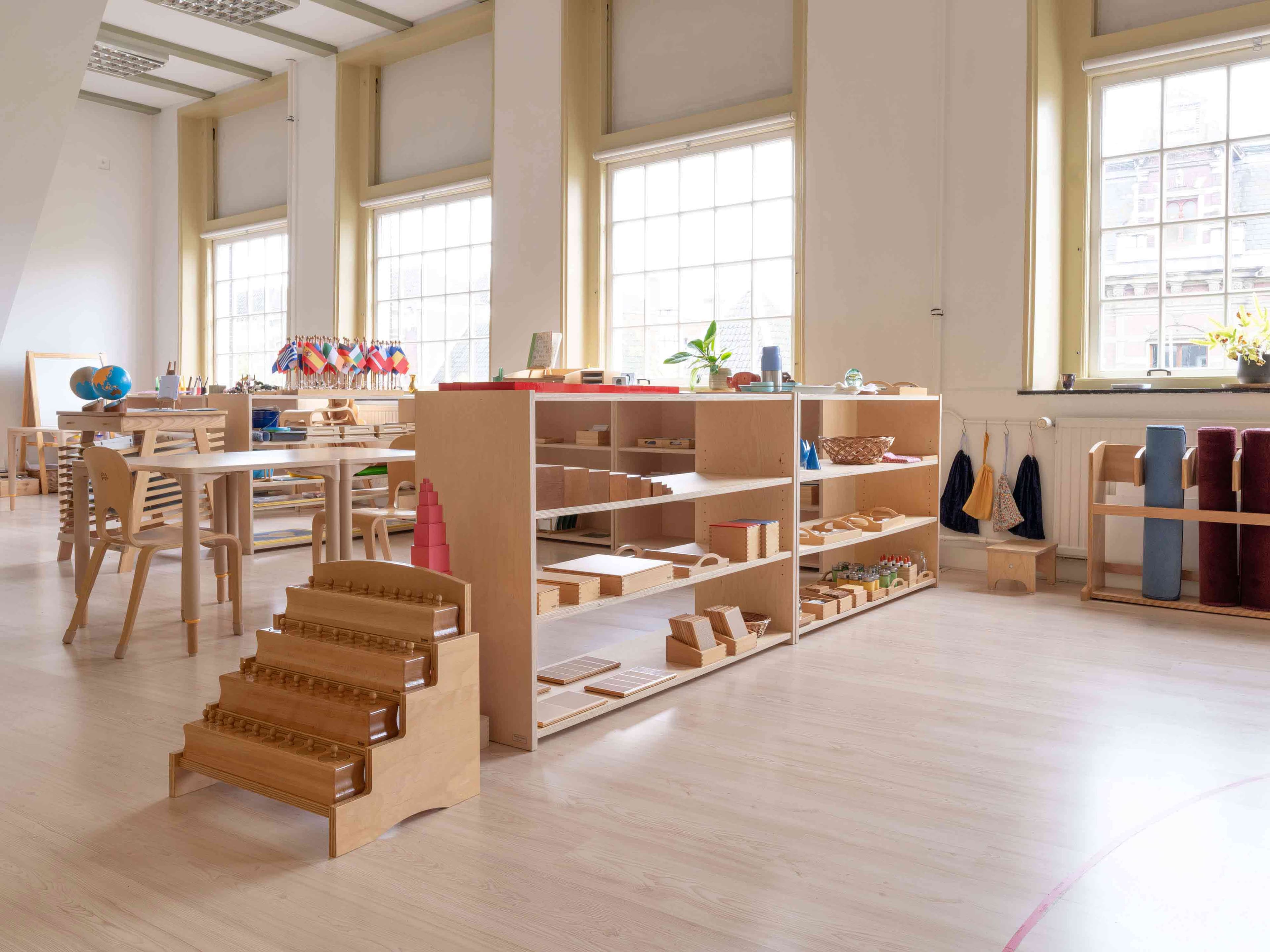
When you enter a Montessori learning environment, you immediately notice the calm and inviting atmosphere. The open layout encourages children to move freely, follow their interests and make their own choices. There are no assigned seats as in traditional classrooms, allowing each child to work in their own way and at their own pace.

Montessori Materials: The Heart of the Classroom
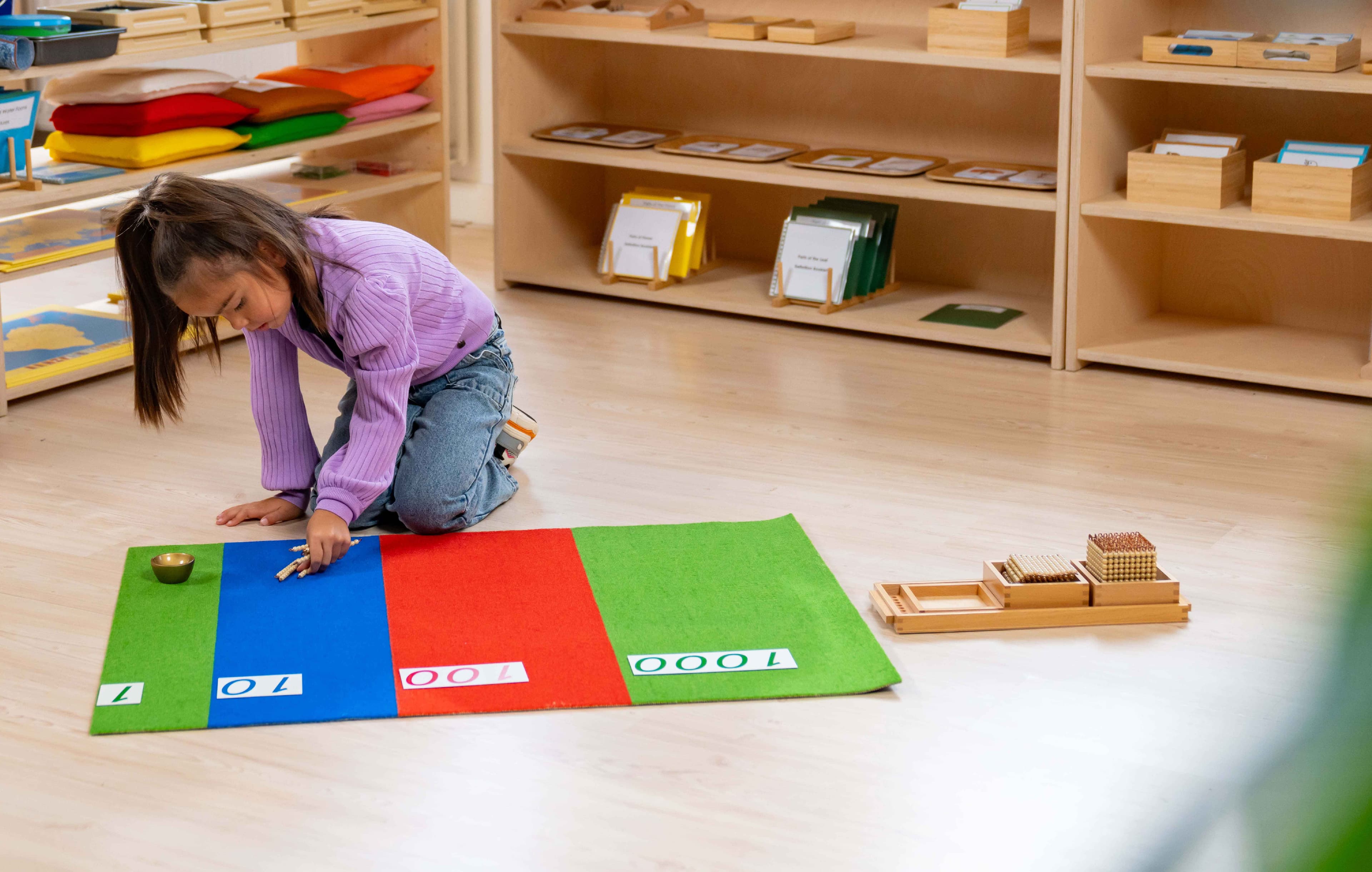
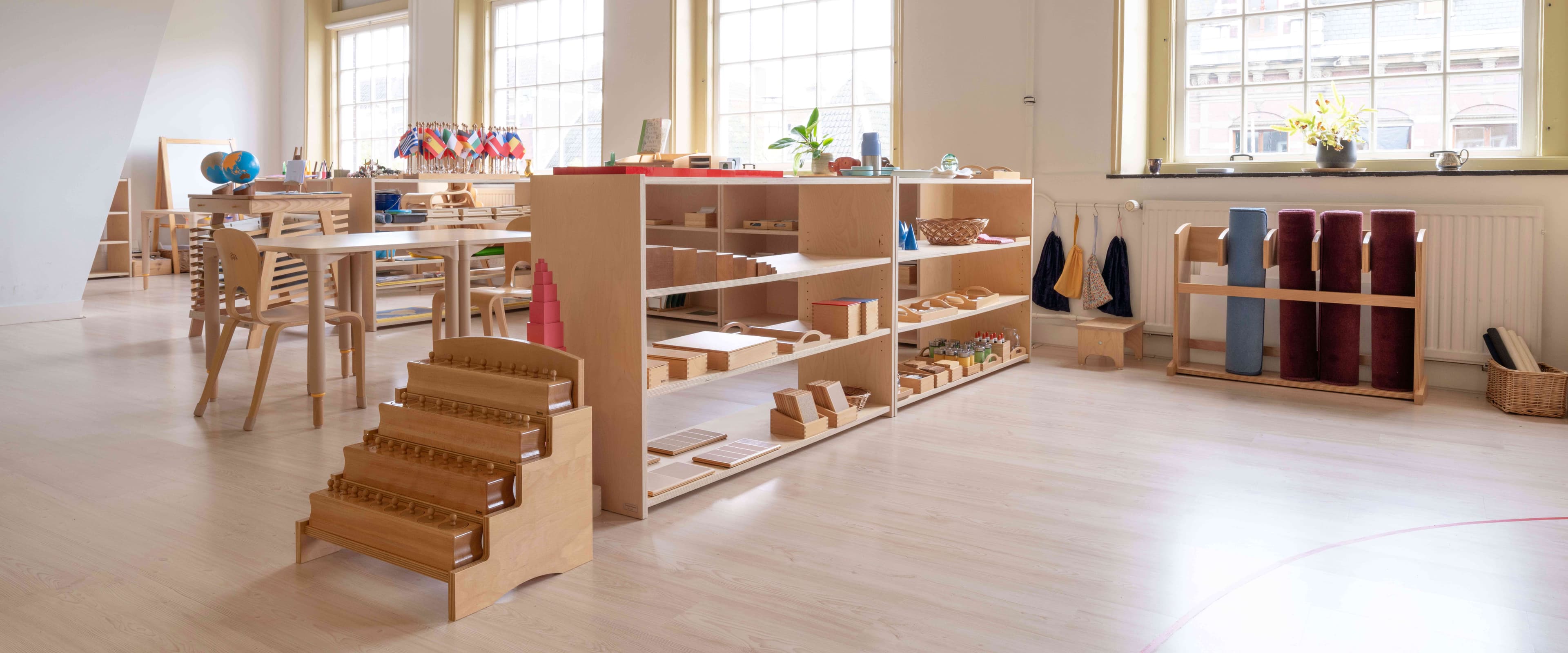
Montessori materials are at the heart of the classroom. They are perfectly displayed on low, open shelves, allowing children to access them independently. Furniture is child-sized, and the space is divided into thematic yet interconnected areas such as language, math, culture, and practical life exercises. This setup stimulates both independence and curiosity.

Why This Environment Works
The arrangement and materials in a Montessori classroom create a perfect balance between freedom and structure. Children learn at their own pace, develop self-confidence, and learn to interact respectfully with their surroundings. A Montessori classroom is therefore much more than a place to learn—it is an inspiring environment where children are prepared for life.

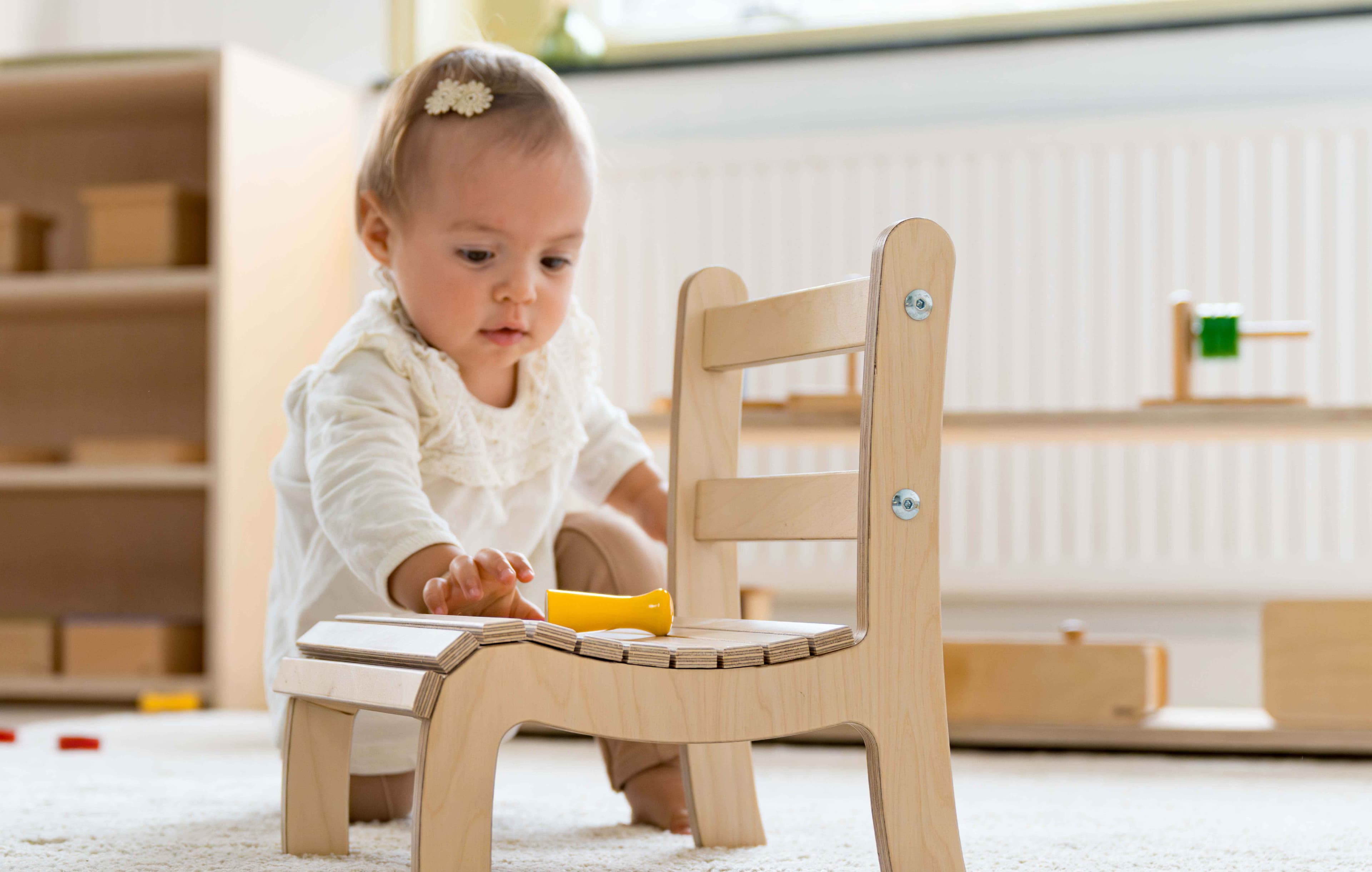
  1. Child with chair

    A Montessori Classroom for Each Stage of Development

    From infancy to young adulthood, each child develops at their own pace within a carefully prepared environment. The youngest children find a warm, safe space with room to move and explore. Toddlers and preschoolers learn through many hands-on activities, using concrete materials to develop their basic skills and knowledge. Elementary school students grow in independence, collaboration, and creativity. They ask questions and start looking for answers, alone or in small groups. In upper elementary and secondary education, children start taking more ownership for their own learning process.
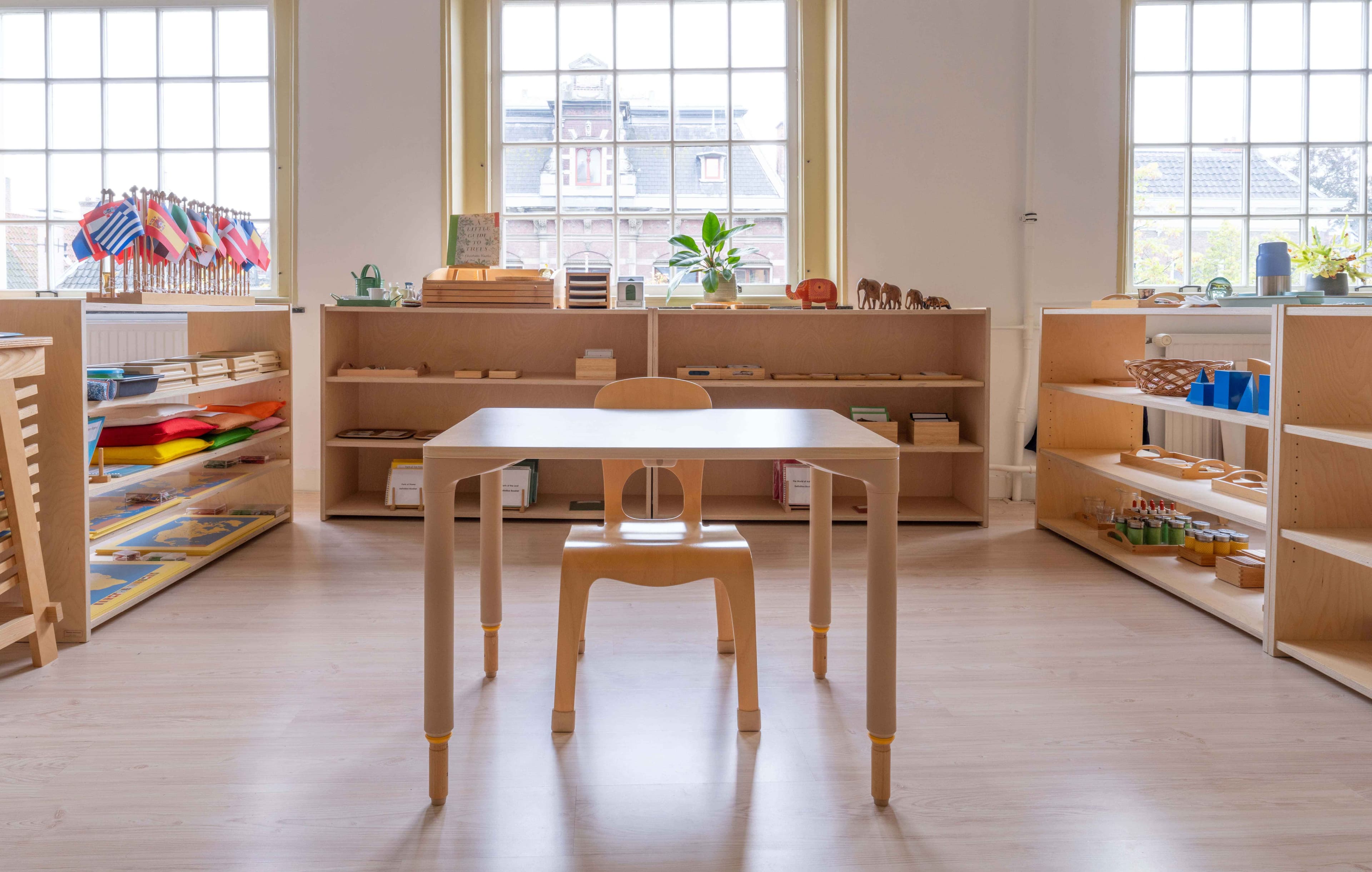
  2. Montessori furniture in classroom

    Essentials for a Supportive Montessori Environment

    The design of the classroom is key to a successful Montessori environment. A calm setting with natural colors creates a soothing atmosphere. Plenty of light, ideally natural daylight, makes the space open and inviting. Children also need enough room to move freely. Furniture is child-sized, including small tables and chairs that allow them to work independently. Montessori classrooms use real, meaningful objects, helping children develop respect for their environment while learning to handle valuable materials from an early age.
  3. Child with Montessori material

    The Role of the Teacher

    In a Montessori classroom, the teacher does not lead the class from the front but moves alongside the children. The teacher acts as a guide, observing, supporting, and presenting the materials that match each child’s developmental needs and stage. By working with children individually or in small groups, the teacher can provide personalized attention. The teacher sparks curiosity, gives concrete and conscious guidance when needed, and fosters a learning process that grows naturally from the child’s own interests and pace.
GAM classroom

Design your classroom

In cooperation with GAM, we are happy to design the interior for your school or prepared environment — fully customized to your needs. We use only the highest-quality furniture. You will receive a no-obligation quotation and a detailed design (2D/3D).